
Six Claims About the War in Ukraine Tested Against the Evidence
NATO, Donbas, Maidan, language rights and biological laboratories: six claims about Russia’s war against Ukraine examined against the evidence.


NATO, Donbas, Maidan, language rights and biological laboratories: six claims about Russia’s war against Ukraine examined against the evidence.
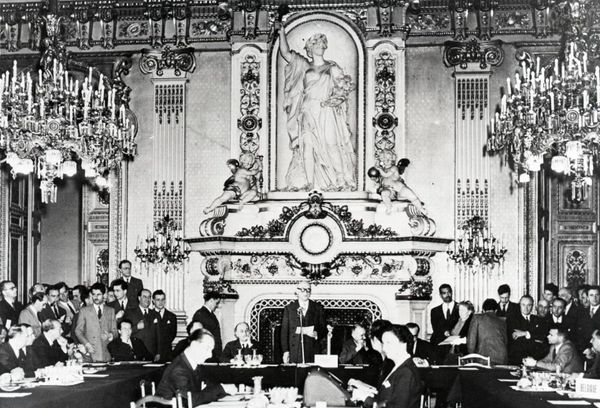
Europe needs the means to act together on security, climate and economic resilience. A new Schuman moment could begin with shared responsibility for the essential networks that keep our societies functioning.
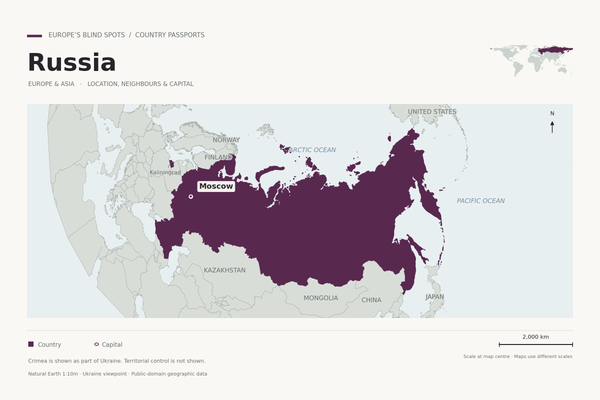
How Russia works beyond the Kremlin: its political system, peoples and languages, imperial legacies, war economy and relationship with the European Union.
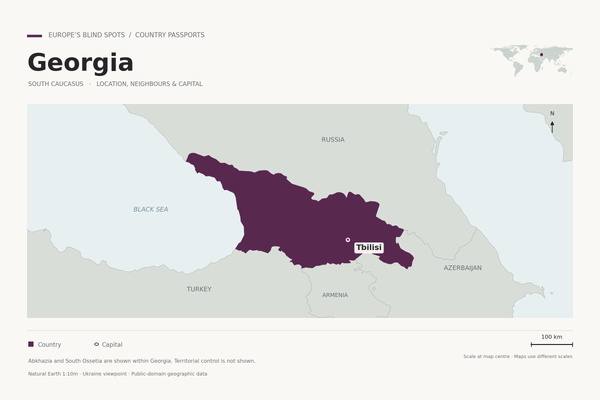
Discover Georgia through its politics, history and European aspirations, with a closer look at minority languages, civic resistance and occupation.
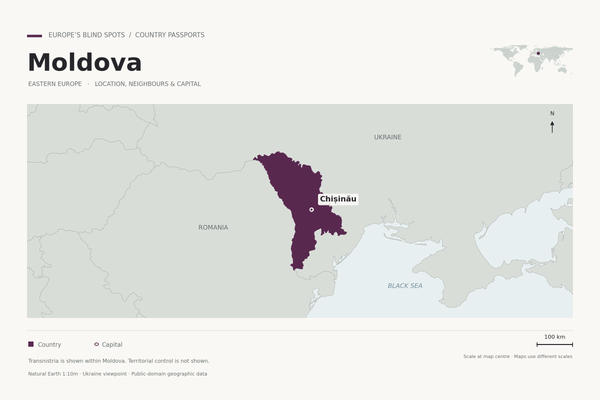
Discover Moldova through its politics, history and European aspirations, with a closer look at migration, Gagauzia, Transnistria and the Dniester.
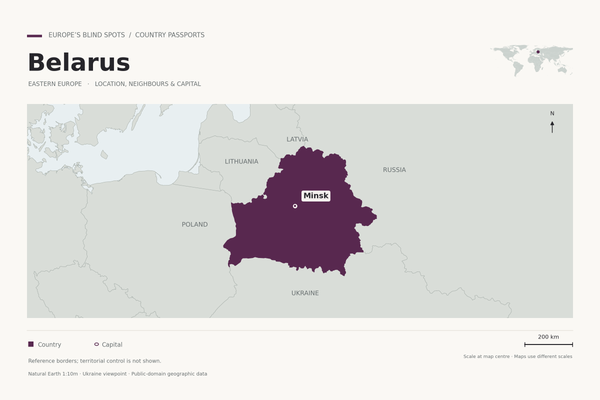
Belarus beyond Lukashenka: political power, repression, a history shaped by more than Russia, and a society whose stories deserve to be heard.
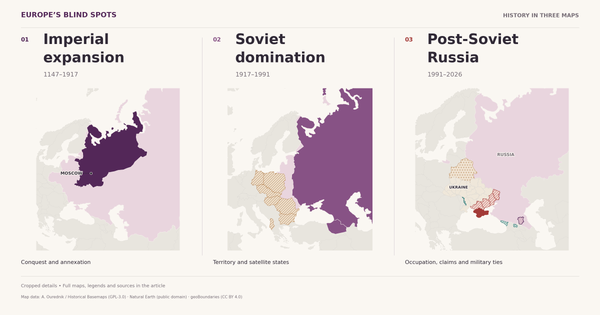
Three maps trace imperial expansion and domination from Muscovy through the Soviet era to Russia’s wars and territorial claims in Ukraine and the Caucasus.
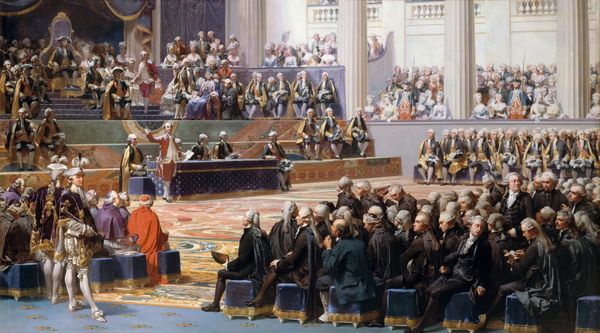
Left and right began as seats in a revolutionary assembly. They still shape politics, but today's decisive divide increasingly runs between pluralist democracy and concentrated power, and nowhere is that choice clearer than in Ukraine.
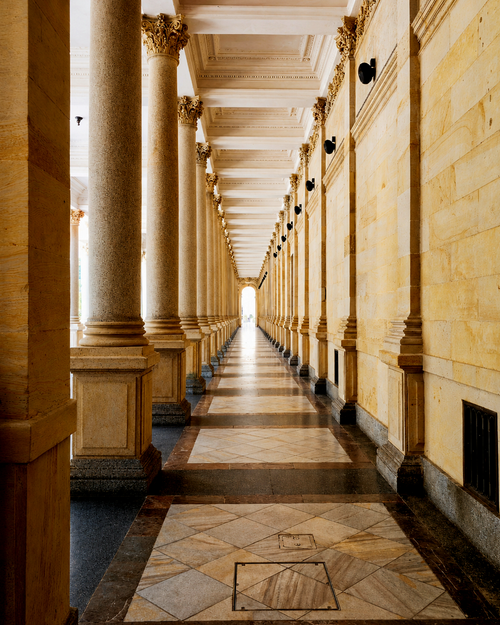
The Rule of Law is often mistaken for the background machinery of politics. In reality, it transforms the relationship between the person and power: rulers must give reasons, majorities must respect boundaries, and citizens can demand an answer from the state.
Europe needs stronger armed forces - but military spending alone cannot make it secure. A genuine strategy must connect Defence, Diplomacy, Development and Democracy, protecting Europe’s borders while preserving the society within them.
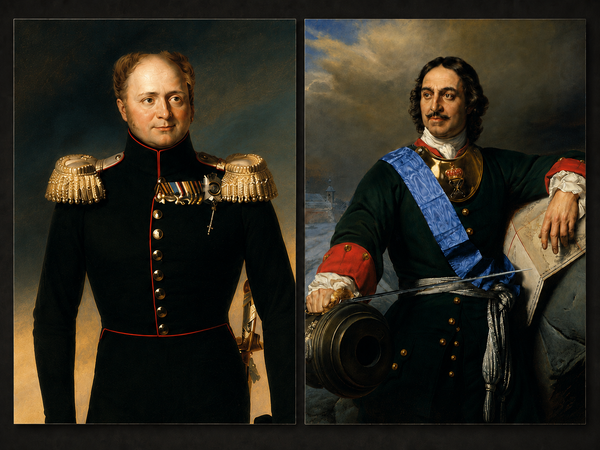
Vladimir Putin did not suddenly turn from liberal to imperialist. From Grozny and Dresden to Crimea and Ukraine, older instincts hardened into a closed historical system in which democracy became subversion, sovereignty conditional and conquest restoration.
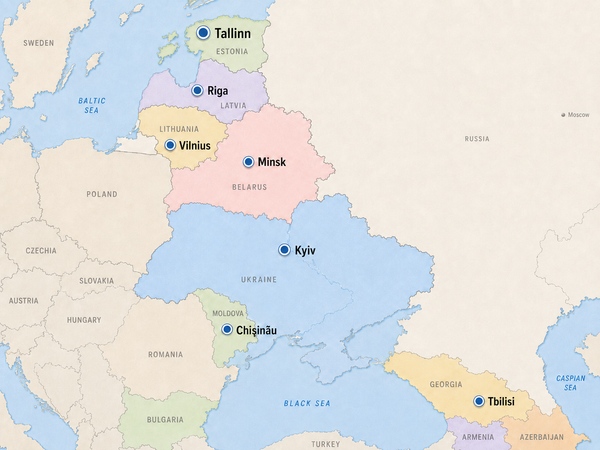
The Soviet bloc disappeared more than three decades ago. Its mental map did not. Ukraine, Georgia, Moldova and Belarus are still too often described through Moscow — as buffers, backyards or “post-Soviet space”. It is time to put these countries back at the centre of their own histories.